Learnings/Unlearnings: Interstices – Learning Between Frameworks and Lived Experience
Alexandra Lulache, Ana Maria Elian, Kelly MacKinnon, Håkan Nilsson, Sofia Wiberg, Loulou Cherinet, Khansa Dhaouadi, Pierre Leclercq
CATEGORY
Welcome to Learnings/Unlearnings Reader #7: Interstices: Learning Between Frameworks and Lived Experience, edited by Anette Göthlund and Meike Schalk. The Reader combines contributions from the section, Ruling and Unruling Spaces: Environmental Learning Policies, including papers by Alexandra Lulache and Ana Maria Elian; Kelly MacKinnon; Håkan Nilsson, Sofia Wiberg and Loulou Cherinet; Khansa Douardi and Pierre Leclercq. They were presented at the conference Learnings/Unlearnings: Environmental Pedagogies, Play, Policies, and Spatial Design, which took place in Stockholm in September 2024.
Transformative learning for sustainable transition uses multiple frameworks on various scales that formulate normative goals. In Reader #7 authors bring together concerns, challenges, and take aways from exploring frameworks and policies on the ground, such as UN Sustainable Development Goals, European Union’s Just Transition policies, the Inclusive Design Overlay, to RIBA Plan of Work, and differing universities’ educational structures. How can we translate the expectations raised in legal frameworks, visionary policies, and mechanisms into tangible practices, and how can we learn from our experiences to make real change? While the authors operate in varying interstices between disciplines—municipalities, young people, museums, universities, and an architectural education at the crossroads of defining sustainable design practices locally and breaking away from a colonial educational system—they share the pursuit for building new practices, relations, and ultimately professional identities. The papers describe the complexities of entering unknown territory and being affected by social orders and frameworks. Everything happens in the encounter.
Alexandra Lulache and Ana Maria Elian’s research “Small-town youth in the fractures of the just transition: following a teenage-led urban installation in Prahova, Romania,” is situated in the context of the EU’s Just Transition Mechanism—a financial and governance tool targeted at regions that are expected to lead the process of decarbonization. The mechanism aims, in theory, to allow local policy makers to actively involve communities at risk of being left behind in re-envisioning their futures and communities’ post-transition. One of the targeted stakeholders are the youth, however because of the way local just transition policies are implemented, the opportunities for youth participation in local decision-making are often wasted away. In the case of Urlați, a small city in Romania, Prahova region—known for its oil industry—local policies and decision-makers ignore their young citizens, the civil society landscape is barren, and the formal education system does not encourage active involvement or interpretation of the places they inhabit. Under the Horizon project BOLSTER, Elian and Lulache, over the course of a year, facilitated a civic forum of highschoolers in Urlati, whom they asked to think about their own needs and to develop a community-project that contributes to the well-being of the environment and its community. The co-creation process was challenging and highlighted the absence of an institutional ecosystem of participation, that could have built the foundations of an inclusive and democratic space for the youth. This paper unravels mediation instruments, learnings, and potential leverage points, in an attempt to build bridges between EU policies and youth-led local actions.
Kelly MacKinnon, in “Embedding Inclusivity and Youth Engagement in Architectural Education: A Case Study from Northumbria University,” identifies a marginalisation of diverse user experiences in the architectural profession. She stresses the importance for architects to learn to become more aware, attentive, and skilled towards inclusive design practices. MacKinnon extends this claim to architectural education, which she claims should equip future practitioners to design for diverse communities, as well as to educational approaches engaging young people early on in the design of the built environment. For architecture students this means developing—besides disciplinary skills for communicating designs, such as drawings and models—soft skills such as the ability to listen, observe, and engage, for learning to address a wider audience. She foregrounds the cultural partnership between Northumbria University and Newcastle City Council as a good practice example of a live project which has brought together master students of architecture with children and young people. The programme has embedded the United Nations’ Sustainable Development Goals, the Inclusive Design Charter, and RIBA’s Plan of Work into the studio curriculum. Through excessive workshopping with young people, youth panels were established. Students’ design proposals were developed with public audience and youth engagement in mind, challenging their normal typical presentation formats. A public exhibition in the Farell Centre, co-curated with the architecture students, showcased their input alongside student proposals, inviting families and school groups to reflect on culture and creativity in Newcastle. The case study contributes to current academic discourse on inclusive design and the role of education in fostering civic agency.
Håkan Nilsson, Sofia Wiberg and Loulou Cherinet, in “Exploring interdisciplinary Education for Professionals: Building the Programme Designed Living Environments, Shared Spaces, Interdisciplinary Practices,” reflect upon a new interdisciplinary programme launched as a collaboration between Konstfack – University of Arts, Crafts and Design, and the Department of Art History at Södertörn University, both based in Stockholm. The programme engages practitioners from a broad spectrum of fields related to designed environments, including architecture, urban planning, design, the arts, and real estate, in an exploration of the increasingly complex relationships between the public sphere, spatial planning, and urban development. The programme responds to a common concern: the growing complexity of spatial planning in the face of urgent global challenges, such as climate change, economic inequality, and species extinction. They emphasise that these challenges are not only scientific and technical, but also ethical and political, often requiring practitioners to navigate conflicting goals and values. This collaboration offers deep insights, not only into the institutional complexities of higher education, but also into the very nature of interdisciplinary work itself. The authors point out that it has been striking to recognize how differences shape not only teaching, but also our understanding of how knowledge is transmitted. Some take aways are the understanding of the tension between designing a programme for professionals and the expectation of the academic system, with its difficulty to recognize and value the real-world knowledge practitioners can bring into a university-setting.
Khansa Douardi and Pierre Leclercq, in their paper “Towards an Environmental Framework for Architectural Education: Challenges in Integrating SDGs in Tunisia,” explore the challenges of integrating Sustainable Development Goals into architectural education in Tunisia within the National School of Architecture and Urbanism (ENAU). Their research approaches the issue through two methodologies; at the macro level, it is based on a comprehensive examination of the regulatory framework and architectural accreditation bodies that guide educational programs in Tunisia; at a micro level, empirical observations provide insights into the design process, with a focus on teaching pedagogy, knowledge, skills as well as students’ learning outcomes. Their study reveals that regulatory frameworks and the Accrediting Board for Architects in Tunisia have been influenced by the European context of architectural education—explicitly the School of Fine Arts system with a focus on architectural aesthetics and a neglect of interdisciplinary knowledge. Addressing this gap in knowledge and skills, Dhaouadi and Leclercq argue for a holistic comprehensive revision of the academic curriculum for adapting pedagogical approaches to the evolving demands of the architectural profession.
Contents
Small-town Youth in the Fractures of the Just Transition: Following a Teenage-led Urban Installation in Prahova, Romania
Alexandra Lulache, Ana Maria Elian
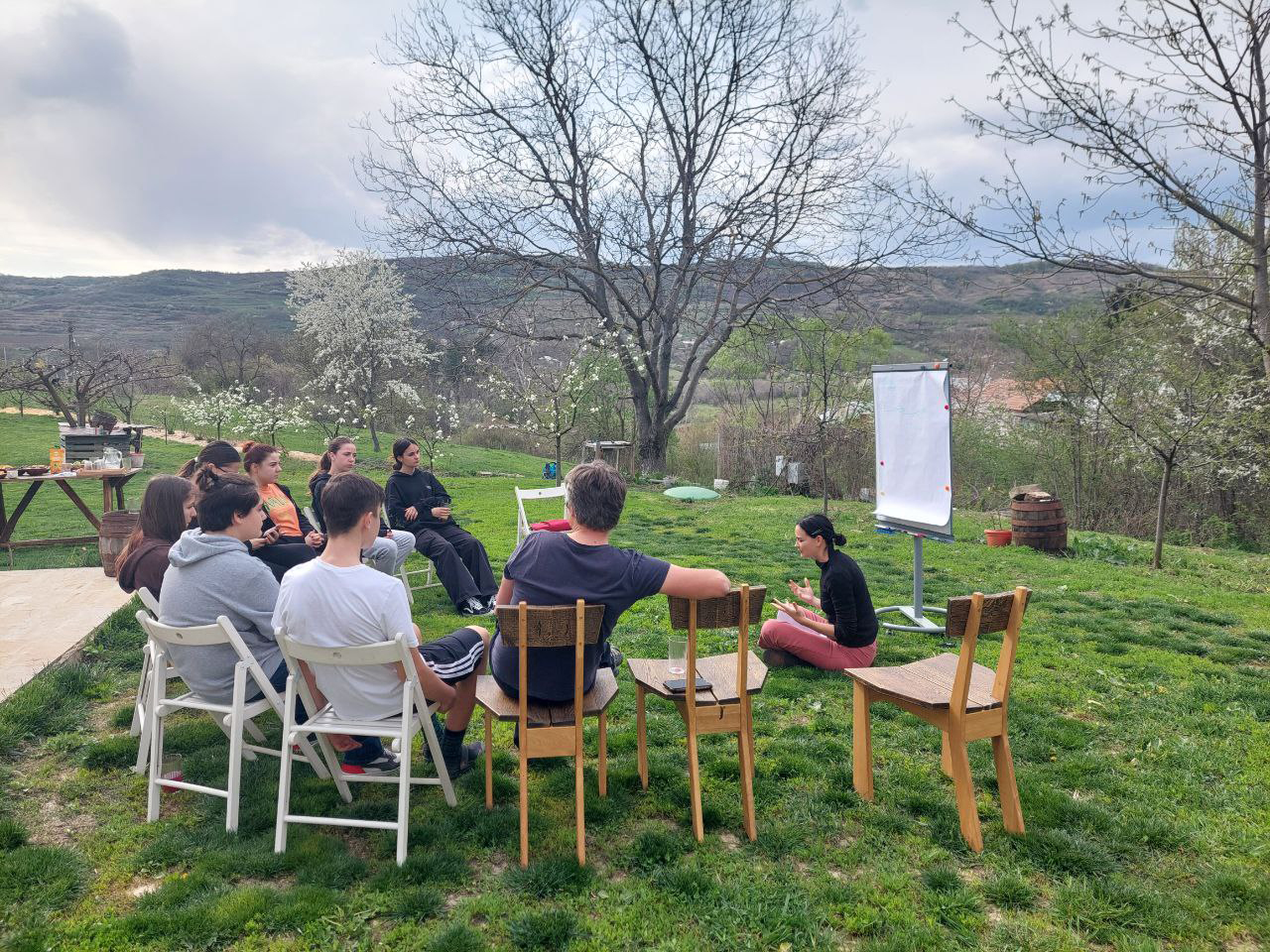
Brainstorming session with youth in Urlați to plan their community projects. Photo by MKBT Association.
Our research is situated within the context of the EU’s Just Transition Mechanism—a financial and governance tool targeted at regions that need to lead the process of decarbonization. The mechanism aims, in theory, to allow local policy makers to actively involve communities at risk of being left behind post-transition to re-envisioning their futures. One of the targeted stakeholders are the youth, who need to find new connections, meanings, and relationships with the places they live in. Unfortunately, the way local Just Transition policies are implemented often wastes opportunities for youth participation in local decision-making. In the case of Urlați—a small city in Romania’s Prahova region known for its oil industry—the civic landscape is barren, with local politicians and decision-makers ignoring their young citizens, and the formal education system failing to encourage active involvement or interpretation of the places they inhabit.
Under the Horizon project BOLSTER, we carried out an experiment. Over the course of a year, we facilitated a civic forum made up of highschoolers from Urlati, whom we challenged to think about their needs, and develop a community project that contributed to the well-being of the environment and their community. The co-creation process was challenging, and highlighted the absence of an institutional ecosystem of participation that could have built the foundations of an inclusive and democratic space for youths. As researchers and temporary mediators, we looked at the fractures and potential tensions between the different levels of European policy, local policies, and institutions, and the broader social networks that influences the participation of local youth in the design of their environments. This paper unravels mediation instruments, learnings, and potential leverage points, in an attempt to build bridges between EU policies and youth-led local actions.
Our research is related to the European Commission’s goal to transition towards a climate neutral continent by 2050, while ensuring three main principles; no net greenhouse gas emissions by 2050, economic growth is decoupled from resource use, and no person and no place are left behind.
We are interested in the third principle—leaving no one behind—and how it translates into practice. The European Commission understands this idea as a form of solidarity with people and regions who might lose from European Green Deal policies, thereby posing a double-edged risk: that their lives will present them with less opportunities and dignity, and in consequence the mission of the EGD could be challenged and undermined.
We interrogated this principle with two questions. Firstly, how do marginalized communities understand, and are affected by, EGD-related policies? Secondly, how can we test, through research in action, how this process can be made more just and inclusive? Our research efforts were part of the BOLSTER project—Bridging Organizations and Marginalized Communities for Local Sustainability Transitions in Europe. Financed by Horizon Europe, it aimed to deliver new scientific evidence on decarbonization transition strategies and how they intersect with various dimensions of inequality, including gender, race, age, and class. It conceptualizes the principle of leaving no one behind by developing participatory governance models and transition guidelines based on climate justice and gender equality.
Our process consisted of four phases:
Phase one sought to understand the production of local policies—the Just Transition Plans—through document analysis and interviews with key decisionmakers in the process. Phase two looked into how local marginalized communities perceive climate change and the just transition, through an in-depth qualitative assessment on their perceptions and capabilities. Phase three tested participatory processes that facilitate the involvement of local marginalized communities in decisions on this issue. It did this through actions such as a capacity building program, multi-actor fora and vision-setting exercises, and mini-grants for community projects. The collated insights we present in this paper come from this stage of our research. Phase 4 proposes new policy directions and governance models for the future of the just transition.
The setting we worked in was Prahova County in Romania, one of the six regions in the country targeted by the Just Transition Fund. It is the historical hotspot of the Romanian oil and gas industry, which still has a central role in the local economy. Prahova is the wealthiest of the territories targeted by the JTF in Romania and the largest in terms of population—partly caused by the high wages of the industry and the region’s close proximity to the capital, Bucharest, the most significant economic pole. Prahova is also experiencing a demographic decline greater than the national average, particularly among the working-age population. Our research also showed that the region has a weak and underdeveloped civic sector, that trust in the local public authorities is low, and that the elaboration of the Just Transition Plan was a “closed-doors process.”
As temporary mediators, we looked at the fractures, contradictions, and potential transformations between the levels of European policy, local policy, city halls, schools, and the broader social network that influences the participation of local youth in the design of their environments. We asked ourselves the following questions:
- What are the youth narratives around the Just Transition, how do they articulate their visions for the future and perceive their sense of agency towards said future?
- What are the barriers to the effective participation of youth in the Just Transition process?
- What could be leverage points for a more active involvement of youth in the Just Transition process?
We monitored how the youth reacted, felt, and learned, as we supported them in implementing their own spatial interventions. Concretely, we formed a youth group of people aged between fourteen and eighteen in Urlati, and applied the photovoice method to gain insight into their perceptions and priorities about their region. In the following sessions they defined a vision for a more just transition and actions that can contribute to that outcome. They then explored and designed a community project achievable with the capacities they had as a group, and subsequently, implemented it.
The community project the group chose to create was a small infrastructural network for cycling—bike racks and a bike repair station placed at three sites highly circulated by youth in Urlați. It responded to some of the problems they experienced, namely that their town’s population had shrunk to the point that it didn’t make economic sense to invest in an extensive public transportation system, and was thus heavily car dependent and polluted.
The process of turning ideas into practice was slow and challenging, but revealed some of the barriers and fractures posed by participation. This comes in a context where youth were one of the primary target groups in the policy-making process of the EU’s Just Transition Mechanism, a process that was meant to be participatory and inclusive.
We wanted to dig deeper into the link between narratives, meaning making, and the sense of agency, and see whether this could inform some concrete leverage points for a more inclusive transition.
The theoretical framework we used is based on the idea that the way we make sense of the world shapes how we position ourselves and interact with our surroundings (Vanderlinden et al., 2020; Duygan, Stauffacher, and Meylan, 2019). With this understanding, our ability to take action in our environment with the hope of creating change depends on three key components. First, there is discourse: developing narratives that explain our circumstances and clarify our roles within them. The second component involves building and activating robust social networks and community capabilities. The third component focuses on leveraging formal resources such as governance frameworks and policy instruments. When these three elements—discourse, allies, and resources—work together, they can strengthen individuals’ or groups’ capacity to participate meaningfully in transformative processes.
Narratives and understandings of the Just Transition
Youth decipher their surrounding environments, directly observing ecological changes and challenges. They also have an understanding of global climate concerns, and see themselves as global citizens who need to care about the state of the planet. They bridge local and global understandings of sustainability quite fast, relating their individual observations to community-based, regional, and international ideas regarding climate care.
But when it comes to influencing change, they often feel too small to have an impact over something so big, which triggers an impulse to retreat. They find the language of European and local policies opaque and impenetrable, generating a perceived mismatch between the actions and priorities defined in the Just Transition Plans, and those expressed by communities on the margins. Through the community projects and workshops that decipher JT policies, we tried to facilitate a translation between these two domains, bridging the plurality of grammars. However once everybody is operating with the same terms of reference, how can it generate community actions?
Making their voices matter
One of the main barriers to action was the perception that their voices are not heard and taken seriously. The group members would say things such as:
No one takes us seriously.
It’s not my place to speak.
I don’t represent this issue.
I’m afraid of being put down.
I agree with what you were saying so why should I say it out loud.
The perceptions they held of themselves and others were confirmed by structural barriers to participation. Local governments don’t have the mechanisms to represent or involve youth in consultation processes, even when they are a target group. Local NGOs are not present in small cities, but when they are, their activities treat youth as “beneficiaries”, not partners in dialogue or people who can make and unmake their environments. The schooling system they experience silences self-expression and does not encourage active involvement in community actions and place-making. These insights are based on the interviews with youth, NGOs and authorities in Prahova. In the project, this lack of confidence in their voice manifested in a lot of silence, reluctance to express their opinions in front of a group, and waiting for others to take the lead.
We attempted to overcome this through exercises that grew their sense of trust and safety. We included anonymous brainstorming exercises and one-on-one discussions to alleviate their public performance anxiety. Complementarily, we organised thinking sessions where everybody had to speak (with a speaking stick) so that nobody could judge how qualified or entitled their peers were to having an opinion. We also included voting in every significant stage of the process so that everybody had a say.
These participatory tools proved very useful in the ideation stage of the community projects. The group became excited about the ideas that filtered through and actively debated them. The enthusiasm continued up until the point where it had to be backed by a more sustained effort and practical actions. By this stage, the group progressed with their understanding of policy issues, perceiving their potential to play a role in their local environments, and voicing their hopes and ideas. The next challenge was harnessing all these resources so that they could turn into actions.
Sense of responsibility and agency
It soon proved that project management is hard when you are a teenager. It starts from the alienating tools that they encountered for the first time—a budget on an excel sheet, a GANTT chart to stick to, checklists on a shared drive. Then comes the diffusion of responsibility: who is not embarrassed to give a status update on the group chat when it’s so easy to ignore it? How do you keep the motivation up to work individually towards the project, or to meet often enough to work on it as a group? What do you do when people don’t turn up because they have to negotiate between differing priorities, such as exams or family holidays, and the project’s schedule? The easy answer to all of this is for an adult to give a helping hand, but this easily tends to turn into a take-over where the youth group returns to the status of “beneficiary” rather than (co)creator.
The youth we worked with see themselves as potential agents of change, but aren’t sure how to do it as a community—they have a sense of agency, but without structures of support it can dissipate fast. In places like Prahova with no history and backbone of civic engagement, we can’t expect effective participation to happen overnight.
Leverage Points
As the project came to an end, we realized that we exercised a bias—in the project’s organizing logic, in how we managed a budget, a plan of actions, in how we distributed responsibilities. We assumed that it can only look a certain way, taking the form that plagues our everyday adult lives. What would the structure of an action plan look like if it was made for teenagers specifically—would it increase their sense of agency, involvement and ownership?
There are additional tools we could have used to enhance their sense of agency, ownership, and involvement in a process to change their community. A bootcamp might have been more effective, where social and trust bonds inside the group can be strengthened, while adults can provide direct assistance without becoming overbearing. Elements of play or dynamic actions could have compensated for the daunting feeling that comes with a serious, work-like initiative. Preparatory workshops for specific skills, such as excel, or digitalised processes, might have enhanced their confidence and readiness to take up responsibility. But more than anything, for a group that has previously been excluded from decision-making processes to be able to engage in meaningful participation, they need a coagulated community, a developed civil society, and public institutions that regularly engage in the practice of participation, treating it as a muscle that needs to be constantly exercised and made accessible.
It’s not enough to invite someone to the participation table if there are barriers in place that prevent them to speak up or take an active role in decision-making. In places like Prahova with little history in civic engagement, we can’t expect effective participation to happen overnight. It needs to be actively supported through long-term processes.
When power differentials exist between stakeholders, facilitated translation becomes essential to bridge gaps in understanding and terminology, ensuring all participants can effectively communicate their perspectives and needs. Our sense-making processes—the narratives we construct about the place we live in and the role we play there—directly impact our perceived sense of agency. Even well-informed individuals may remain silent if they believe speaking up falls outside their role, thus missing critical opportunities to influence change. Creating truly inclusive participation demands deliberate community coagulation, civil society development, accessible education about complex subjects, and continuous efforts to make discussions comprehensible to all participants. The desired result is civic imagination and a critical mass of people that are able to reimagine the places they inhabit, forming a foundation for a truly just transition.
References
BOLSTER – Bridging Organizations and marginalized communities for Local Sustainability Transitions in EuRope, Horizon Europe. 2022-2025. https://bolster-horizon.eu/
Duygan, Mert, Stauffacher, Michael, Meylan, Grégoire. 2019. A Heuristic for Conceptualizing and Uncovering the Determinants of Agency in Socio-technical Transitions. Environmental Innovation and Societal Transitions. DOI: https://doi.org/10.1016/j.eist.2019.02.002
Vanderlinden, Jean-Paul, Baztan, Juan, Chouinard, Omer, et al. 2020. Meaning in the Face of Changing Climate Risks: Connecting Agency, Sensemaking and Narratives of Change through Transdisciplinary Research. Climate Risk Management. Volume 29, 100224. DOI: https://doi.org/10.1016/j.crm.2020.100224
Territorial Just Transition Plan, Prahova County. Last accessed on 17 September 2024 at https://www.adrmuntenia.ro/programul-tranzitie-justa-20212027/static/1559. Published 21 April 2022.
Reuter, Tina. 2019. Human Rights and the City: Including Marginalized Communities in Urban Development and Smart Cities, Journal of Human Rights, 18:4, 382-402, DOI: 10.1080/14754835.2019.1629887
Embedding Inclusivity and Youth Engagement in Architectural Education: A Case Study from Northumbria University
Kelly MacKinnon
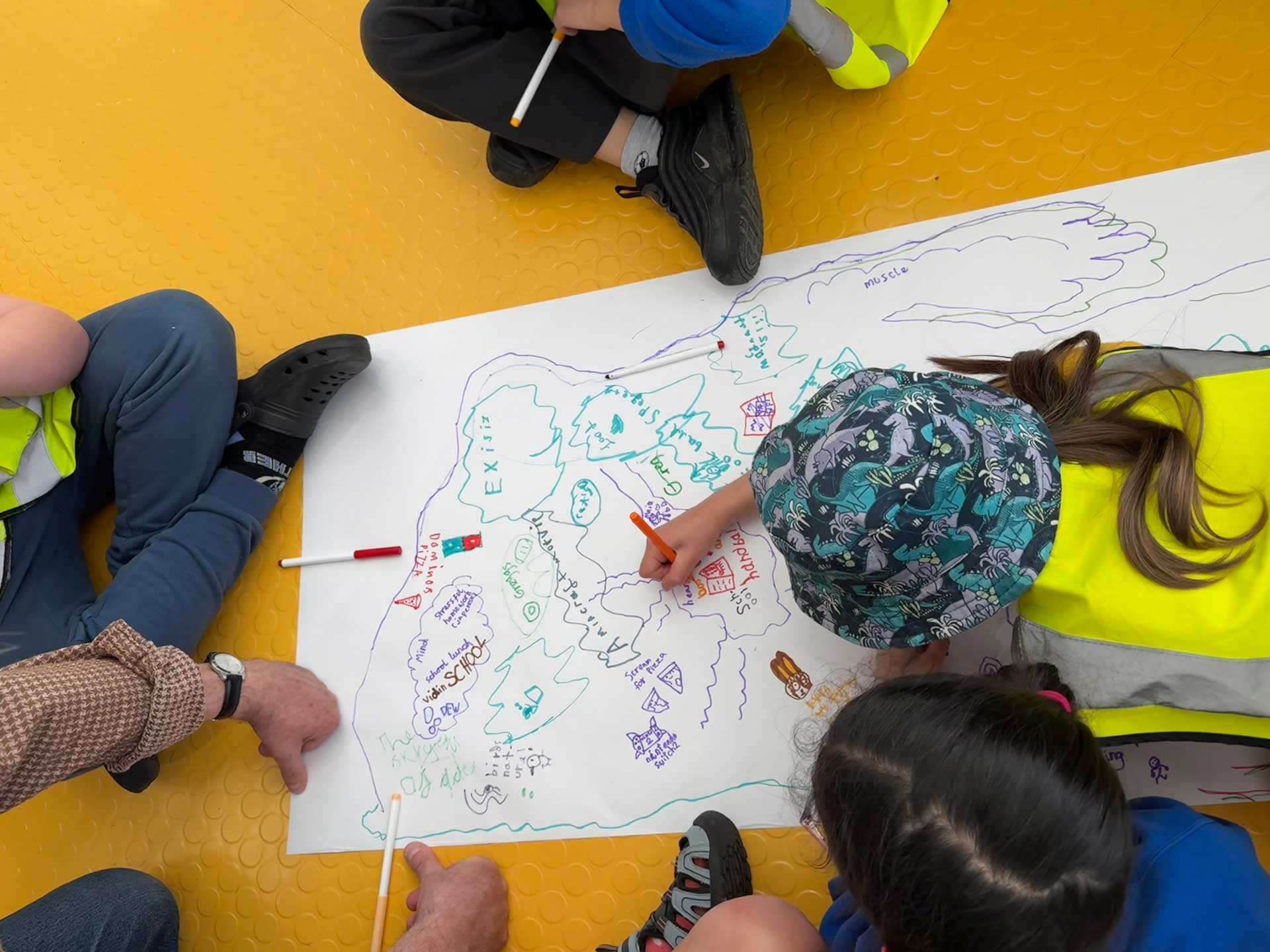
Image 1. KS2 Mapping workshop facilitated by both staff and architecture students held in the Farrell Centre. Photo: Kelly MacKinnon, 2025.
The architectural profession has long been critiqued for designing in its own image, often marginalising diverse user experiences. Recent developments, such as the Disability Discrimination Act (1995), Royal Institute of British Architects’ (RIBA) Inclusive Design Overlay (2020), and the Royal Institute of British Architects’ Engagement Overlay (2024), reflect the profession’s growing awareness of the need for inclusive practices. This imperative extends to architectural education, where future practitioners must be equipped to design for diverse communities, particularly those historically excluded. While change in the profession is essential, equally important is an educational approach that engages young people, those contemplating careers in the built environment, and those realising their stake in shaping it (MacKinnon & McClorey 2024).
The design studio remains central to architectural education, cultivating both technical and communicative skills. However, these communication practices – through drawings, models, and reviews can often reinforce discipline-specific codes that speak to the profession only and can at times, exclude wider audiences. There is a growing recognition that architectural students must also develop soft skills: the ability to listen, observe, and engage with users from different backgrounds.
A university-wide cultural partnership was established in 2021 between Northumbria University and Newcastle City Council to support the five-year Creative Central Newcastle (CCN) initiative. This partnership connected departments of Architecture and Fashion to co-develop live projects in Newcastle’s city centre. This project became a catalyst for participatory design activities within the Master of Architecture and Degree Apprenticeship programmes, focusing on inclusivity and engagement, particularly with children and young people.
Over three years, students engaged in live projects of varied scale and complexity, working with stakeholders and live clients. These projects required creating proposals which could be understood by a wider audience to be used in youth-focused engagement workshops. A key aim was to move beyond the sometimes tokenistic consultation and instead creating meaningful interactions between students and communities. A series of guiding research questions underpinned the pedagogical model:
- What skills do students gain through live projects and engagement?
- How can children and young people meaningfully influence the built environment?
- How can their ideas shape project outcomes?
- What methods best capture youth input?
The programme embedded the United Nations’ Sustainable Development Goals, the Inclusive Design Charter, and RIBA’s Plan of Work into the studio curriculum. Projects ranged from adaptive reuse of heritage buildings, urban design projects and public realm interventions, all within the proposed CCN creative corridor. Students worked to develop inclusive, research-driven proposals which considered the diverse range of communities situated in Newcastle.
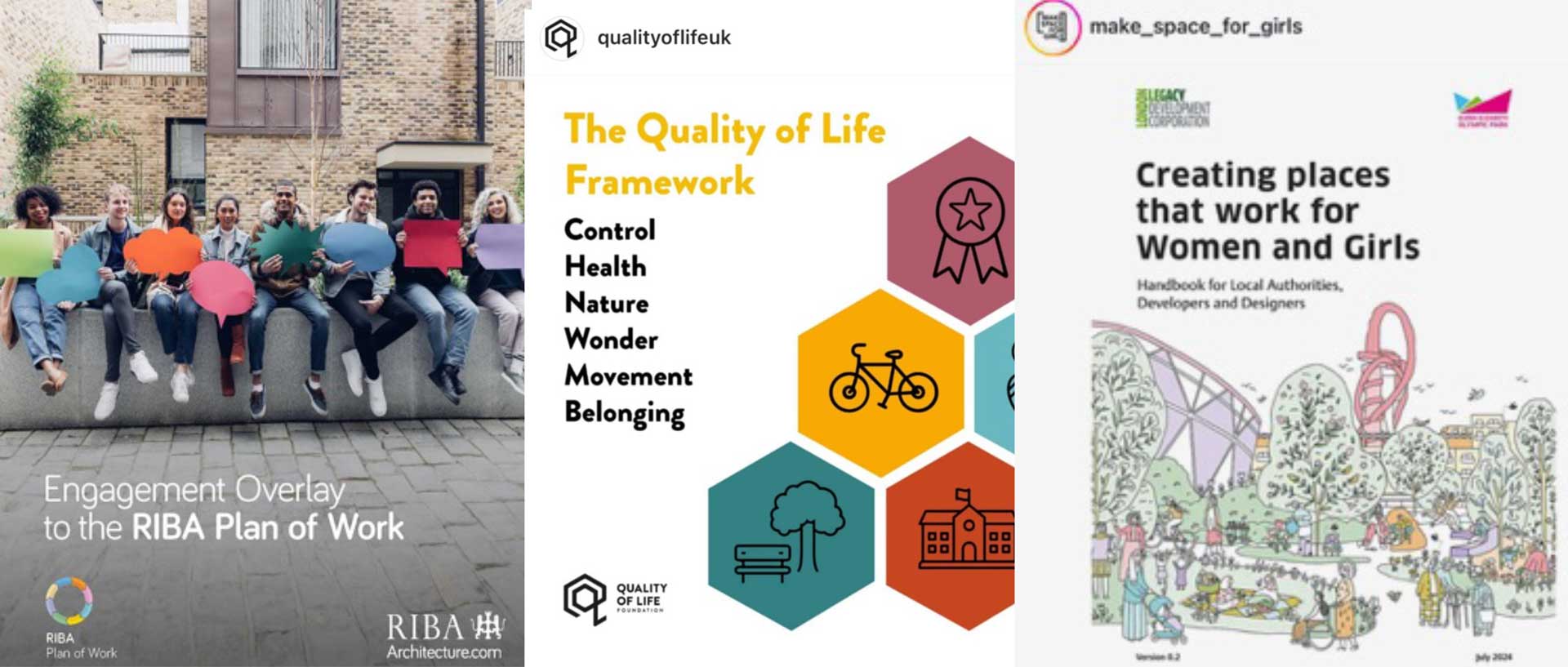
Image 2. Some of the resources and literature referenced as part of the project. The RIBA Engagement Overlay, The Quality of Life Framework (QOLF) and the Make Space for Girls handbook.
Previous community engagement around the project relied on attendance data from events, revealing participation skewed towards an older demographic. The university partnership introduced a new engagement strategy which outputs would include workshops with children and young people and a public exhibition in the Farell Centre. For the engagement workshops two youth panels were formed from two Key Stage 2 primary school classes (aged 7-9 years old) and two groups of secondary-aged children (aged 14 years).
Students’ design proposals were developed with public audience and youth engagement in mind, challenging their normal typical presentation formats. An exhibition, co-curated with the architecture students, showcased their input alongside student proposals, inviting families and school groups to reflect on culture and creativity in Newcastle. Some students volunteered to assist in the workshops and continued exploring youth-centred themes within their final-year thesis projects. One such student secured the RIBA Wren Scholarship (2024) to investigate child development and play in socioeconomically deprived contexts.
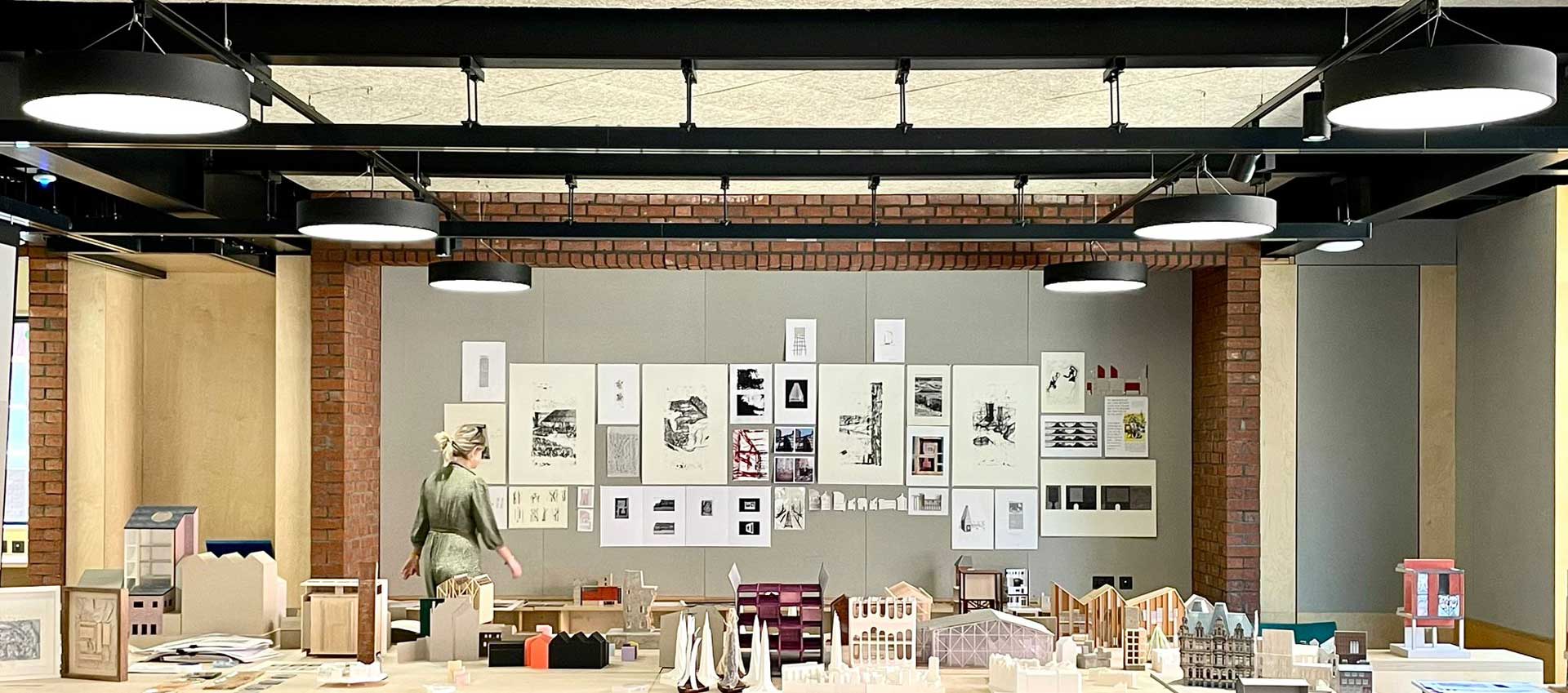
Image 3. “Cabinet of Curiosity” Exhibition at Northumbria Degree Show showcasing Master in Architecture work. Highlighting the variety of communication through making, drawings, prints, models, collage and artwork as part of the CCN project. Photo: Chris Brown, 2023.
The importance of engaging youth in shaping the built environment is increasingly acknowledged. Research suggests current planning and architectural practices inadequately address the well-being of young people (Samuel, 2018; Laville, 2024). This is particularly pressing given that UK teenagers report the lowest life satisfaction in Europe (Children’s Society, 2024). In this context, the CCN project aims to offer meaningful engagement through design pedagogy.
Workshops in Spring 2025 involved mapping and place-making activities, a post-card writing exercise, city walks, and art-based exercises led by students and research staff at the Farrell Centre – Newcastle’s Urban Room. These workshops generated visually expressive and written feedback, both as data for Newcastle City Council and material for a professional artist to interpret into an exhibition piece. The ambition was to foster young participants’ sense of ownership over their environment and demonstrate how their views could shape local policy and urban design.
The three-years of student work culminated in a public exhibition at the Farrell Centre in June 2025 for six-months. Located near both universities and within the CCN corridor, the centre is a fitting venue for this youth-focused showcase. The exhibition runs after Concrete Dreams, a long-term Farrell Centre exhibition exploring post-war urban transformation in the North-East of England. Together, they provide a dialogue between past and future, challenging visitors to consider Newcastle’s cultural identity and its urban future.
The two youth groups are central to this pedagogical model. Despite comprising 20% of the population, young people are often excluded from city-making discussions. These panels—comprising of children aged 7 – 9 and teenagers aged 14 – 17—bring continuity and accountability to the CCN project. Their input evolves through successive workshops and exhibitions, positioning them as “Young Placemakers” whilst providing skills and increasing awareness in relevant careers in the Built Environment and Creative Industries.
Workshops introduced the city centre project area and recorded lived experiences using novel and creative methods. The results informed both student learning and community-led planning, contributing to a research report and exhibition output. The workshops aim to highlight how architectural processes can amplify youth voices, moving beyond consultation and towards genuine participatory design and co-creation. The young people all expressed how much they valued the opportunity to explore their creativity in the workshops and indeed where they felt some ownership and contribution to the CCN project. Emerging themes resulting from the workshops included the following aspirations for the city centre:
- more natural and green solutions in our cities
- spaces for young people, families and communities to play, meet, socialise
- feeling of safety and accessibility in our public spaces
- public spaces to allow play (of all ages)
- more consideration of vibrancy and colour
- consideration of the climate emergency
- connections to water
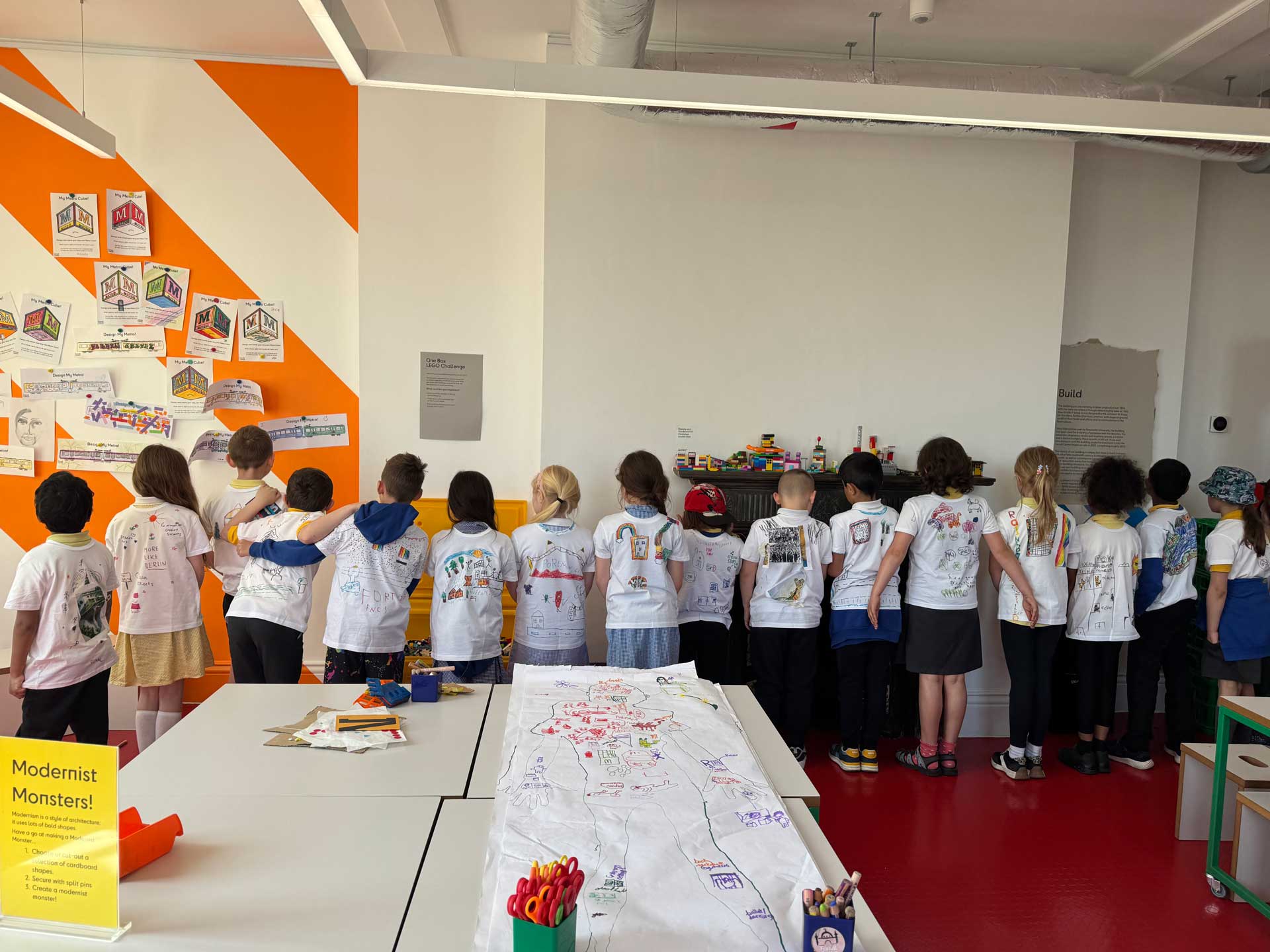
Image 4. Creative t-shirts illustrating the young people’s visions for a Creative Newcastle. Photo: Kelly MacKinnon, 2025.
This model demonstrates an opportunity for experiential learning in architectural education. Students reported enhanced presentation skills and a deeper understanding of the value of communication as an important tool in architecture. Feedback confirmed the value of inclusive design and youth engagement in producing equitable urban spaces and informed design solutions. Several student projects received regional architecture awards, illustrating the effectiveness of underpinning design education in real-world contexts.
The case study contributes to current academic discourse on inclusive design and the role of education in fostering civic agency. By embedding live projects within the curriculum, the initiative cultivates socially conscious design practices and collaborative relationships among universities, local government, and local communities.
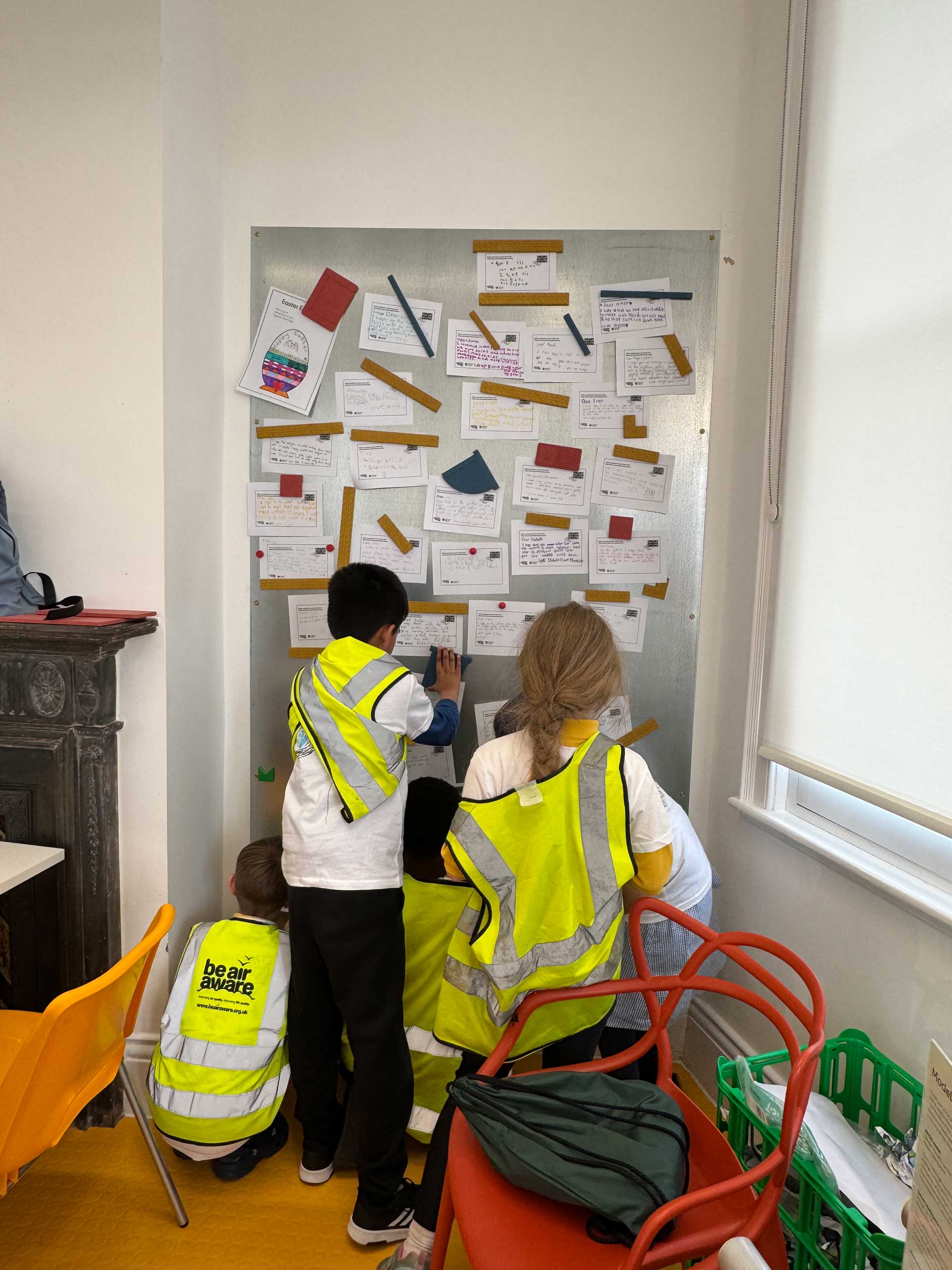
Image. Writing postcards to themselves for the future on how they hope living in a ‘Creative Newcastle’ will both look and feel. Photo: Kelly MacKinnon, 2025.
This study highlights the role architectural education can have in promoting inclusive urban design through civic engagement and youth empowerment. The CCN case study demonstrates how live projects can develop student engagement skills and in understanding social responsibility. It also supports government aims to involve young people in planning and design – demonstrated by the Department of Levelling Up, Housing and Communities 2023 inquiry into Youth and the Built Environment, which used Northumbria’s CCN project as a case study within its parliamentary call and considerations. As the CCN project continues, youth feedback will continue to shape its evolution. Outputs will include research reports, and public exhibitions with planned public engagement and policy-relevant insights.
Architecture students working on the project provided positive feedback, recognising the importance of inclusive design and how it enriches society for all. Student reflection highlighted their views that young people have a right to be involved in how their cities are being developed, that young people are experts in their own environment and that the value of their involvement creates better places for all of society generally. There is a longer term ambition to continue this engagement model within the Degree Apprenticeship and Master in Architecture, embedding it within the design studio at Northumbria University whilst utilising it to further shape live project briefs in the region. The case study demonstrates that youth engagement is essential in developing meaningful and inclusive architecture for our communities and within our cities. As an on-going project, this case study presented does not have any final answers, more recommendations. Indeed, the process facilitates both the learning and youth engagement of the project. We remain hopeful that the project and method continues to provide an enriching experience for the students, staff and the young people involved with the project.
References
Baker, Katie. 2022. The Quality of Life Framework. London: Quality of Life Foundation. https://www.qolf.org/resources/the-quality-of-life-framework/.
Berkley, Nicola, and Anne Wright. 2022. Reframing Childhood: Final Report of the Childhood Policy Programme. London: The British Academy. https://www.thebritishacademy.ac.uk/publications/childhood-policy-programme-final-report/.
Children’s Society, The. 2024. The Good Childhood Report 2024. London: The Children’s Society. https://www.childrenssociety.org.uk/information/professionals/resources/good-childhood-report-2024.
Department for Levelling Up, Housing and Communities. 2023. Children, Young People and the Built Environment. London: UK Parliament. https://committees.parliament.uk/work/7981/children-young-people-and-the-built-environment/.
Farrell Centre. 2023. “Concrete Dreams.” https://www.farrellcentre.org.uk/concrete-dreams/.
Farrell Centre. 2024. “Farrell Centre: Urban Rooms.” https://www.farrellcentre.org.uk/urban-rooms/.
Kelly, Liam. 2023. “Battle to Save Britain’s Libraries as Budget Cuts, Closures and Austerity Leave Future Uncertain.” The Big Issue. https://www.bigissue.com/news/activism/uk-libraries-week-budget-cuts-future-joseph-coelho/. (Accessed: 24.11.25).
Laville, Sandra. 2024. “Children Suffering Due to Lack of Outdoor Play, UK Charities Warn.” The Guardian, January 23.
MacKinnon, Kelly, and Laura McClorey. 2024. LUHC Committee: Call for Evidence—Children, Young People and the Built Environment. London: UK Parliament.
Make Space for Girls. 2023. Make Space for Girls Handbook. https://www.makespaceforgirls.co.uk/resources-library
North of Tyne Combined Authority. 2021. North of Tyne Culture + Creative Zones Prospectus. Newcastle upon Tyne: NTCA. https://growthhub.northeast-ca.gov.uk/resource/north-of-tyne-culture-and-creative-zone-programme.
Samuel, Flora. 2023. Community Consultation for Quality of Life England: Executive Report. London: Quality of Life Foundation. https://www.qolf.org/wp-content/uploads/CCQOL_England-National-Report-compressed.pdf.
Social Mobility Commission. 2024. State of the Nation Report 2024: Local to National—Mapping Opportunities for All. London: HM Government. https://assets.publishing.service.gov.uk/media/66f68e33e84ae1fd8592ea6b/SOTN-2024.pdf.
United Nations. 2023. The Sustainable Development Goals Report 2023: Special Edition. New York: United Nations. https://unstats.un.org/sdgs/report/2023/.
Exploring Interdisciplinary Education for Professionals: Building the Programme, Designed Living Environments, Shared Spaces, Interdisciplinary Practices
Håkan Nilsson, Sofia Wiberg, Loulou Cherinet
Documentation from a workshop with curators and public art project managers during the development of the programme, February 2023.
In September 2024, a new interdisciplinary programme, Designed Living Environments, Shared Spaces, Interdisciplinary Practices, was launched as a collaboration between Konstfack, University of Arts, Crafts and Design, and the Department of Art History at Södertörn University, both based in Stockholm. This programme aims to engage practitioners from a broad spectrum of fields related to designed environments, including architecture, urban planning, design, the arts, and real estate, in an exploration of the increasingly complex relationships between the public sphere, spatial planning, and urban development.
The conceptualization of this programme stems from the instructors’ shared experiences working at the intersection of art, public space, and urban planning. Each of us has engaged with the areas in different ways—through artistic practice (Loulou Cherinet), research (Håkan Nilsson and Sofia Wiberg), and pedagogy (all three of us). We have come together to address a common concern; the growing complexity of spatial planning in the face of urgent global challenges, such as climate change, economic inequality, and species extinction. Challenges which are not only scientific and technical, but also ethical and political, requiring practitioners to navigate conflicting goals and values.
The project emerged from a shared curiosity about how we might push beyond our respective academic disciplines to develop new forms of knowledge exchange and practice. In 2022, we secured funding from the Knowledge Foundation (KK Stiftelsen) in Sweden for a two-year interdisciplinary educational initiative, which we have developed in collaboration with various professional groups, including architects, urban planners, artists, and art consultants. These workshops, alongside interviews with a range of stakeholders, have provided insights into the practical challenges these professions face in their daily work.
A key insight emerging from the preparatory work is that many of the problems practitioners encounter cannot be predicted in advance, but arise in practice when dealing with complex issues. Navigating such challenges requires not only technical competence, but also what Aristotle (2011) referred to as phronesis, or practical wisdom—the ability to make ethical decisions in specific, unpredictable contexts.
In the programme, the students train both their “phronetic” and epistemic abilities through a combination of self-reflective writing, theoretical studies, fieldwork, and practical exercises, all of which are framed by problem-based learning with speculative and experimental methods.
The most demanding aspect, however, has not been forming the actual content of the programme, but the logistical and administrative coordination between the two universities; Södertörn University and Konstfack. This collaboration has offered us deep insights into the institutional complexities of higher education, as well as the very nature of interdisciplinary work itself. One could describe the programme, borrowing from Susan Leigh Star and James R. Griesemer, as a “boundary object”—consistent and yet flexible enough to adapt to the various educational environments. In this reflection, we examine some of the key challenges that have shaped our experience, with a particular focus on three themes: administration, students, and knowledge.
From the outset we recognized that the administrative challenges of establishing a joint programme between an art academy and a university would be considerable. Setting up any new curriculum entails a number of bureaucratic hurdles, and the unique nature of our programme posed questions that had never been addressed before in either institution. We all had experiences of being guest lecturers at both universities and art academies, and we had been bringing student groups from one situation to the other to meet and study jointly at workshops, but it was an entirely different project to—on an official level—merge two different educational contexts into one.
The programme was conceived as both unified and dual in its structure—it was a single programme which students applied to, albeit through two different institutions. Students admitted via Södertörn University and Konstfack followed the same curriculum and studied together during the first three semesters.
Only in the final phase did the programme diverge, when students completed their degree requirements in different formats depending on their institution of admission: a written thesis at Södertörn University, or an artistic project at Konstfack.
This shared structure nevertheless presented a number of pedagogical and curricular challenges. How could we design an advanced-level programme in art history without requiring a formal BA in the subject, and conversely, how could students admitted on artistic grounds to Konstfack be supported in engaging with the theoretically and methodologically oriented components of the programme at Södertörn University?
It also asked questions about the very concept of a programme, where an artistic approach centred upon individual explorations should be combined with the university ideal of a preconceived understanding of assessable learning outcomes, and it questioned the relevance of an exam. We knew from previous courses at Konstfack that the students applying for this kind of postgraduate education often already had a master in some artistic field, and that they were less interested in the title we would be able to offer (as magister is slightly less worth than a master). But we also knew that this would not necessarily be the case for those with a bachelor’s degree, and that a magister exam would be potentially interesting as it also opens the door to doctoral studies. At the same time, we only welcomed students that had at least two years of working experience from the broad field of the public sphere, or from designing living environments.
The raison d’être of the education was to provide professionals with a platform from which to broaden their competence, through exchanging experiences with students from other backgrounds, and to study and learn more about the field of public space and public art, all while fulfilling the requirements of the university, and the art academy sector. The messiness we anticipated students had to deal with was thus akin to the messiness of the world of education. We had to understand the education proposed as something that would have slightly different meanings—depending if one looked at it as lifelong learning, art history or art practice—and yet be coherent as a single identity. It would need to be “both plastic enough to adapt to local needs and constraints of the several parties employing them, yet robust enough to maintain a common identity across sites” which is how Susan Leigh Star and James R. Griesemer defined the boundary object (Star & Griesemer 1989 p. 393).
Surprisingly, when approaching the goal (the program) as a boundary object, or as a “wicked problem” (Rittel and Webber, 1973), which in this case would mean a complex entangled situation with no obvious and final solution, administration proved to be supportive, although not without their own set of challenges. They had much more experience working with course plans, learning outcomes, and Swedish Higher Education Ordinance than any of us who were working with developing the program, yet they also had to admit that there were no previous experiences to learn from when it came to this kind of multidisciplinary exchange.
This called for creativity—not least when it came to us—finding ways to justify our approach, to describe the “boundary object” in a way that would suit the situation. It also called for creativity when thinking together with administration, testing the limits of what was permissible within existing legal frameworks. The flexibility and ingenuity required in navigating these structures was crucial, as was our willingness to embrace a degree of uncertainty and trial-and-error.
Eventually, solutions were found such that the education would be a master’s programme when applied to Södertörn University, but a course package at advanced level when applied to Konstfack.
Students’ preconceived notions of the kind of institution Södertörn University was also proved to be a challenge. Few students thought of the university as a place for lifelong learning for professionals, and communicating this “boundary object” in a way that made sense in the context of official university information was not entirely resolved. Many students who applied to Södertörn turned first to Konstfack to understand what kind of education they could expect.
Another revelation emerged in our understanding of students, particularly in relation to how they are admitted and enrolled at each institution. At Södertörn University, for example, students register online, and the numbers are often an estimate, with some students opting out or dropping out before the courses begin. By contrast, at Konstfack students must apply for key cards and physical access in person, which fosters a different level of commitment from the outset. This procedural distinction highlights the contrasting expectations placed on students at each institution, and the differing ways in which we define what it means to be a student.
We realized that this discrepancy reflects wider differences in how we perceive the nature of knowledge itself. University students often see their studies as part of a broader educational journey, sometimes in parallel with professional commitments, whereas art school students are more likely to view their education as a singular, all-encompassing focus. This contrast led us to rethink how we engage with students across disciplinary boundaries, acknowledging the different expectations they bring to the table. It also meant understanding and utilizing the students’ experience as valuable, and a necessary source of knowledge to be shared among peers.
The most significant challenge, however, has been grappling with the concept of “knowledge” itself. It’s hardly surprising that the epistemologies of architects, urban planners, artists, and art historians differ significantly, however, it’s been striking to recognize how these differences shape not only our teaching, but also our understanding of how knowledge is transmitted. Drawing from Ylva Hasselberg’s (2005) work on the “gift” and the “contract” in educational settings, we have encountered different modes of teaching and learning; the “gift,” where knowledge is passed from master to apprentice; “exploration,” where knowledge is co-created in the process of learning; and the “contract,” where knowledge is pre-defined and students are expected to absorb it.
Our programme attempts to combine these approaches, encouraging the exploration of knowledge as a shared, evolving process. However, we have learnt that the differences in our disciplinary backgrounds sometimes lead to conflicting views on how knowledge should be conveyed. These conflicts, far from being obstacles, became fertile ground for reflection and innovation in our teaching practice.
Looking back some surprising methods emerged in the development of this education. One could be described as a combination of “unlearning” and “headlessness.” Unlearning in this context does not mean forgetting established ways of doing things, but rather deliberately—and sometimes necessarily—suspending prior assumptions to make room for new ways of thinking. Our collaborative process was marked by misunderstandings and missteps, where each obstacle became an opportunity to rethink and refine our approach. Working from a position of inexperience and ignorance, unknowingly transgressing conventional structures within our institutions, and accepting ignorance as a productive force, has allowed us to bypass rational control and move forward through doing, failing, and adapting.
Another component of our collaborative success has been the personal relationships that underpin our work. The foundation of this project rests on long-standing friendships between the three of us, and this camaraderie has been invaluable in overcoming the frustrations and challenges that arose. In the literature on friendship, it is often discussed as a transformative and political force—one that empowers individuals to challenge established norms and push for social change (May, 2012). In our case friendship provided the strength and courage to persevere in the face of institutional inertia, to challenge disciplinary boundaries, and to create a space for new kinds of knowledge exchange.
One challenge we encountered was the tension between designing a programme for professionals, and the expectations of the academic system. We created the programme with the assumption that students would bring substantial work experience, yet within the university setting it becomes difficult to recognize and value this real-world knowledge. The issue lies in the academic structure itself, which often assumes that students start with little prior experience, and will progressively build their understanding through formal study.
For our students—many of whom already possess advanced practical and critical skills—this assumption does not hold. It is more difficult to apply to students with a high degree of practical, experiential knowledge. Many of these students are already at the most complex level when they enter education. They have the ability to evaluate, argue, and understand complex situations, which cannot easily be measured against a syllabus. Thus, paradoxically, it is more difficult to fulfil “the contract” as Hasselberg (2005) frames it when dealing with more skilled students, when knowledge is based on experience rather than on following a set line of courses in the educational system.
On the other hand there are also problems with “the gift”. In this form, it’s mainly a matter of creating trust that allows students to dare to enter into a non-knowing exploration together. The disadvantage of this is that it runs the risk of being too open, with students asking for a clearer framework and initial understanding of what is expected of them. Here, expectations of what the educational system will provide become an obstacle to be overcome.
Gert Biesta (2009) argues that the purpose of education is often forgotten, especially at a time when the focus is on measuring and comparing educational outcomes. The goals of education are often reduced to the achievement of measurable outcomes, such as academic performance, while more important questions about the purpose and values of education are neglected. Biesta argues that education involves more than just “qualification” (i.e. the transfer of knowledge and skills), it also involves “socialisation,” that is, the creative level discussed above.
Another way of approaching this question is to follow Sally Brown and Phil Race (2012), who point out how education can be divided into three different categories of assessment; Formative Assessment – of Learning, which refers to supportive and developmental assessment tasks, often given early in the learning process, that help students understand their progress and identify areas where they need to improve; Summative Assessment – of Learning, these assessments are carried out at the end of a learning process and are designed to evaluate whether students have acquired the necessary knowledge and skills. These both are applied to the programme when the students are working with shorter assessments, monthly text submissions, mid-term presentations, and final exams that are both assessed as longer, concluding texts and presented orally to peers. Brown and Race also address a third one, Sustainable Assessments – For Tomorrow, where the education must be sustainable over time. Here it becomes important to work with assessments that support a more evolving learning process that prepares students for future challenges, rather than focusing on what happens in the classroom.
Following Biesta’s critique of higher education, we strongly argue that this third level must be the central one when it comes to education for professionals, however this poses challenges for how we conceive of both “the contract” and “the gift,” bringing us back to “the exploratory” suggested earlier in this text. Irrespective of whether we think of knowledge as something that is “found” or achieved by following a programme, the development of a more sustainable education for professionals requires a more student-centred perspective, including taking into account (and benefiting from) their accumulated practical experience.
Acknowledgement: Funding from the Knowledge Foundation (KK Foundation) made the development of this educational programme possible.
References
Aristotle. 2011. Nicomachean Ethics. Chicago: University of Chicago Press.
Biesta, Gert. 2009. “Good Education in an Age of Measurement: On the Need to Reconnect with the Question of Purpose in Education.” Educational Assessment, Evaluation and Accountability 21: 33–46.
Brown, Sally, and Phil Race. 2012. “Using Effective Assessment to Promote Learning.” In University Teaching in Focus, edited by Lynne Hunt and Denise Chalmers. London: Routledge.
Hasselberg, Ylva. 2005. “Kontraktet och gåvan.” Glänta 1–2.
May, Todd. 2012. Friendship in an Age of Economics: Resisting the Forces of Neoliberalism. Lanham, MD: Lexington Books.
Rittel, Horst W. J., and Melvin M. Webber. 1973. “Dilemmas in a General Theory of Planning.” Policy Sciences 4: 155–169.
Star, Susan Leigh, and James R. Griesemer. 1989. “Institutional Ecology, ‘Translations,’ and Boundary Objects: Amateurs and Professionals in Berkeley’s Museum of Vertebrate Zoology, 1907–39.” Social Studies of Science 19, no. 3: 387–420.
Towards an Environmental Framework for Architectural Education: Challenges in Integrating SDGs in Tunisia
Khansa Dhaouadi, Pierre Leclercq
The United Nations (UN) unveiled the 2030 Agenda for Sustainable Development as a holistic plan designed to tackle global challenges. The Sustainable Development Goals (SDGs) serve as a guideline and offer a roadmap to shape policies that promote conscious practices and sustainable principles. There has been limited commitment within architectural education and professional organizations in Tunisia to the SDGs. This article explores the incorporation of the SDGs into architectural education in the country.
Our methodology involves examining the implementation of these goals in the academic program and at the design studio levels. The findings reveal the challenges of integrating the SDGs, despite some efforts, in an environment where the historical background of the Fine Arts system has shaped the educational landscape over the years in architecture education in Tunisia. This paper seeks to raise awareness of the SDGs among educators, students, and institutional leaders in Tunisia, creating a basis for the specific integration of sustainability.
The 2030 Agenda for Sustainable Development, adopted by all United Nations Member States in 2015, defines the challenges to address a better and more sustainable future for all. At the core of the plan are the 17 Sustainable Development Goals (SDGs), which are an urgent call for action by all countries (“THE 17 GOALS | Sustainable Development,” n.d.). The built environment is a significant part of today’s major consumers of energy and natural resources, while also producing waste. Educating future architects for these SDGs is crucial for making students aware of these goals, and for giving them an insight into realistic sustainable design policies.
Although sustainability has a profound influence on architectural education, research on pedagogical approaches from the standpoint of teaching and learning methods has shown little interest in SDGs. In this context, the International Union of Architects (UIA) has prioritized the UN Goals by dedicating the 2023 convention to planning the necessary steps for their achievement, and the UNESCO-UIA Validation Council of Architectural Education has made significant progress in recent years toward a sustainable future (Burton and Salama 2023).
A case study in Turkey explored a teaching experience with two professors and a research assistant guiding 24 fourth-year students in the spring semester of 2019-2020 (Erdogdu Erkarslan and Akgün 2022). The students envisioned improvements for the Izmir Konak City Centre, integrating SDGs into their architectural projects. The focus included urban agriculture for Goal 9, combining new offices with old-school production workshops for Goal 8, and creating healthcare buildings and alternative urban spaces for Goal 3. Additionally, the challenges faced in future projects and the team’s role in promoting socially responsible and SDG-focused designs were discussed. A key reference is a research paper providing a data mapping analysis for educators to align design studio with the UN Sustainable Development Goals (SDGs) (Akgun, Erkarslan, and Neşeliler 2023). It discusses architectural projects as inspiration from the “UIA Guides for the SDGs,” concerning important architectural approaches such as circular economy, localness, energy efficiency, publicity, affordability, flexibility, and inclusivity.
Despite these international efforts, architectural education and professional organizations in Tunisia have shown relatively limited involvement in discussions of the SDGs. Addressing this gap, our article investigates the underexplored challenges and opportunities of incorporating SDGs into architectural education in Tunisia. The findings reveal that regulatory frameworks and the Accrediting Board for Architects in Tunisia have been strongly influenced by the European context of architectural education, particularly the School of Fine Arts system.
Since the pedagogical reform of 1997, several successive initiatives have aimed to restructure architectural studies in Tunisia, addressing challenges related to program organization and the articulation of disciplinary content. Our study focuses on the academic curricula of the National School of Architecture and Urbanism (ENAU), recognized as the only Tunisian public institution dedicated to architectural education. At the macro level, the methodology relies on a comprehensive examination of the regulatory framework and accreditation bodies in the country. A historical perspective is essential for understanding the evolution of this system, as tracing the roots of the discipline within the local context provides deeper insight into the changes that have influenced current programs. This retrospective analysis, in turn, offers a basis for situating contemporary practices and teaching methods within the broader landscape of architecture education. At the micro level, empirical observations shed light on the design process, with particular attention to pedagogy, knowledge acquisition, skills development, and student learning outcomes. The third year of architectural studies is identified as a transitional stage between the first and second cycles, while the fifth year represents a critical milestone between academic study and professional practice.
The findings show that regulatory frameworks and the Accrediting Board for Architects in Tunisia have been strongly shaped by the European tradition of architectural education, particularly the French Beaux-Arts system (referred to as the Fine Arts system). This historical influence has created a gap between academic training and local realities in relation to the growing demand for sustainable architectural practices.
From an awareness and knowledge perspective, the study reveals a fragmented and superficial understanding of sustainable design principles. While some attention is directed toward human behaviour and the social dimensions of architecture, and to a lesser extent, environmental concerns, other critical dimensions, economic, technical, and cultural, remain largely overlooked. Knowledge related to formal, functional, and structural aspects is present, but insufficiently integrated into a comprehensive sustainability framework. Consequently, the vision of sustainable development remains partial rather than holistic, with sustainability addressed incompletely.
In terms of skills, the study highlights the importance of cultivating practical competencies, particularly in graphic representation. Mastery of these abilities is indispensable for architects, as it enables them to communicate design concepts effectively and translate ideas into coherent visual forms. However, the persistent emphasis on aesthetics and graphic expression appears to have limited opportunities for interdisciplinary engagement, thereby restricting the integration of broader sustainability principles.
Overall, the macro-level analysis demonstrates that while regulatory frameworks implicitly reference global sustainability agendas, including SDG 11 (Sustainable Cities and Communities), SDG 12 (Responsible Consumption and Production), SDG 13 (Climate Action), and SDG 15 (Life on Land), their integration remains limited. Awareness and knowledge are partially addressed, yet the absence of corresponding skills and competencies prevents these objectives from being effectively translated into practice. As a result, the paradigm is acknowledged but not fully embedded, leaving the vision fragmented and incomplete.
At the micro level, the examination of sustainability integration within third- and fifth-year design studios reveals both promising directions and persistent challenges. The evolution of student projects illustrates a gradual transition from theoretical awareness to practical application, highlighting the emergence of sustainability-related knowledge and intentions, as emphasized in the figures below.
In the third year, one student demonstrated a strong interest in engaging in ‘Design for Rethinking Resources’, linked to SDG 12 (Responsible Consumption and Production). His project explored new design approaches, energy efficiency strategies, and the use of bio-based materials, aiming to initiate a sustainable production cycle (Fig. 1). However, despite this conceptual ambition, the student encountered significant difficulties due to limited technical and material knowledge, which hindered the project’s depth and feasibility.
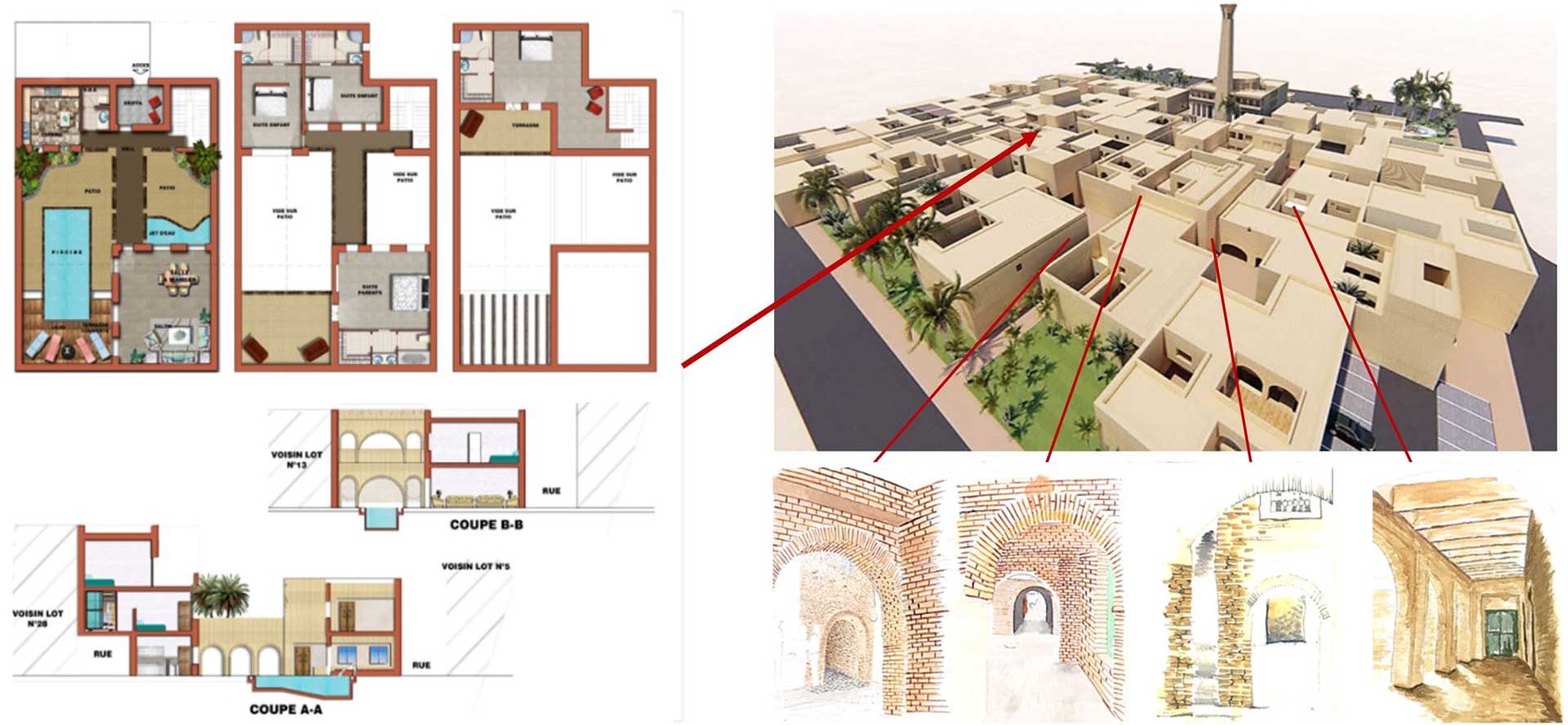
Fig. 1. Student’s Learning Outcome (Year 3): Design process.
In the fifth year, another student attempted to address ‘Design for Inclusivity’, integrating SDG 11 (Sustainable Cities and Communities) by envisioning a more humanitarian built environment for socially inclusive housing. The project aimed to respond to community needs through inclusive spatial programming (Fig. 2). Yet, the student faced challenges in managing the complexity of the functional requirements, which delayed progress and revealed gaps in interdisciplinary skills and project coordination.
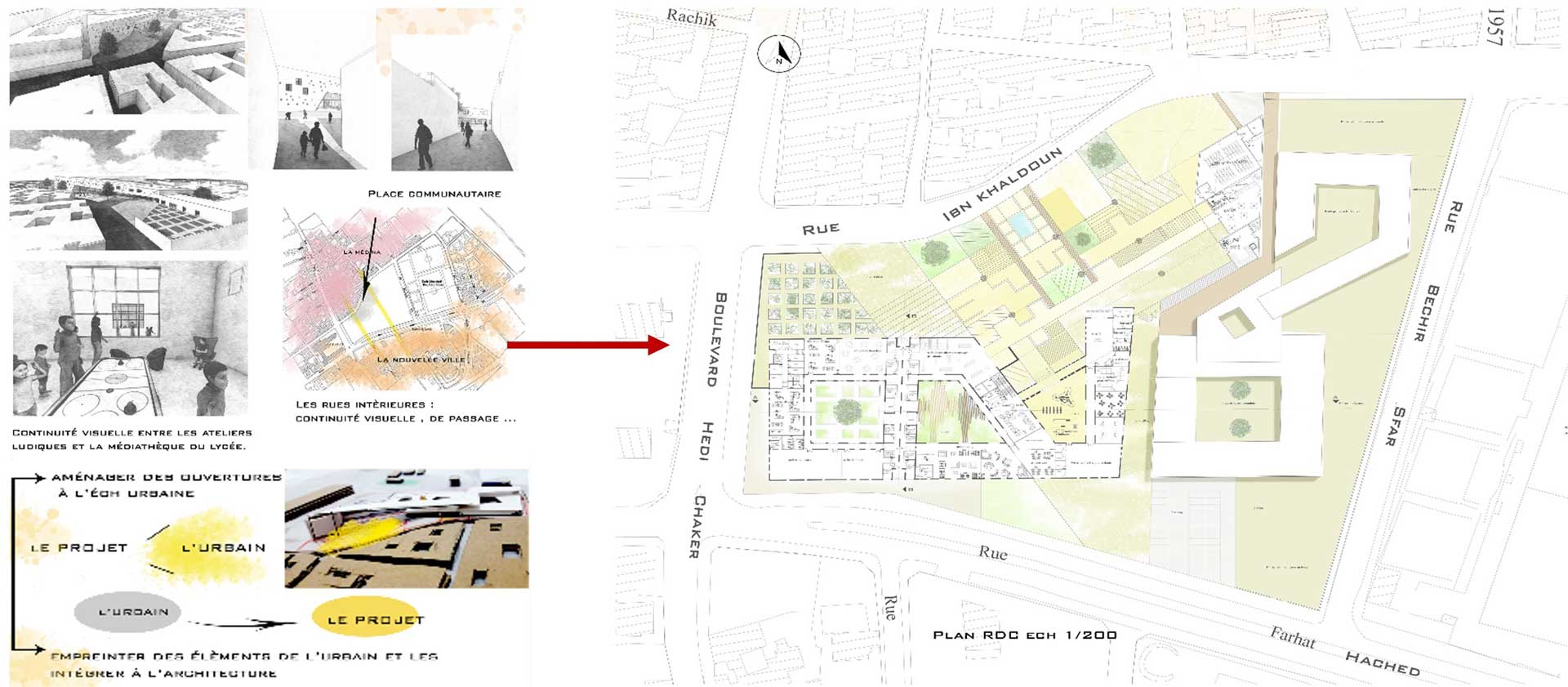
Fig. 2. Student’s Learning Outcome (Year 5): Final Project.
The context in which each project was developed also played a critical role. Projects situated in rural areas appeared to facilitate the integration of SDG-related thinking more readily than those in dense urban environments. Furthermore, the building typology and the intended user group significantly influenced the feasibility of sustainability integration. In several cases, students made genuine efforts to incorporate sustainability goals, with limited resources and support. These attempts tended to focus primarily on social and ecological dimensions, while economic and technical aspects remained underexplored.
Overall, the findings reveal a persistent gap in the operational incorporation of SDGs within the Tunisian architectural education landscape. Despite emerging efforts, the integration of sustainability remains largely theoretical and fragmented, with limited translation into pedagogical strategies, curriculum design, or studio methodologies.
In the light of the research results, the analysis of the historical background shows a consistent emphasis on knowledge and skills specific to design and aesthetics within the Fine Arts system that has shaped the educational landscape over the years in teaching architecture in Tunisia. This situation has revealed several key findings that provide insight into the challenges of integrating sustainability principles, and the SDGs in particular, despite some efforts and experiences.
The existing accreditation requirements and regulatory frameworks in Tunisia don’t prioritize sustainability issues in architectural education, specifically, in terms of awareness, knowledge, and skills. School and institutional directors and senior managers have expressed concerns that achieving sustainability may require major changes to program content, delivery, and resources.
The challenge is to overcome this situation, especially when it comes to instructors’ commitment to adopting sustainable practices and behaviours, as well as students’ attitudes. The approach goes beyond traditional architectural pedagogy by emphasizing a holistic multidisciplinary restructure of the curriculum, design processes, teaching methodologies, and program content. This paradigm shift aims to produce architects equipped not only with a deep appreciation for aesthetics but also with the tools and mindset essential for creating environmentally conscious and socially responsible architectural solutions. This calls for a comprehensive re-evaluation of the academic curriculum in Tunisia and the urgency of adapting pedagogical approaches to the evolving demands of the architectural profession. It emphasizes reshaping awareness, understanding, knowledge, and skills needed to integrate sustainability as an essential part of architectural education that goes beyond aesthetic considerations to include environmental, social, and economic dimensions.
References
Akgun, Yenal, Özlem Erdoğdu Erkarslan, and Pınar Neşeliler. 2023. “A Guide for a Guide: Using UIA Publications for an SDG-Focused Studio.” Archnet-IJAR: International Journal of Architectural Research 17 (3): 443–58. https://doi.org/10.1108/ARCH-11-2022-0245.
Burton, Lindy Osborne, and Ashraf M. Salama. 2023. “Sustainable Development Goals and the Future of Architectural Education – Cultivating SDGs-Centred Architectural Pedagogies.” Archnet-IJAR: International Journal of Architectural Research 17 (3): 421–42. https://doi.org/10.1108/ARCH-08-2023-0201.
Erdogdu Erkarslan, Ozlem, and Yenal Akgün. 2022. “Incorporating United Nations 2030 Sustainable Future Agenda into the Architectural Studio: A Graduation Studio Case.” International Journal of Art & Design Education, September. https://doi.org/10.1111/jade.12435.
“THE 17 GOALS | Sustainable Development.” n.d. Accessed January 20, 2025. https://sdgs.un.org/goals
Learnings /Unlearnings: Environmental Pedagogies, Play, Policies, and Spatial Design responds to the call Designed Living Environment—Architecture, Form, Design, Art and Cultural Heritage in Public Spaces, and is funded by Formas—a Swedish Research Council for Sustainable Development with the Swedish National Board of Housing, Building and Planning; ArkDes; the Swedish National Heritage Board; and the Public Arts Agency Sweden, under the grant agreement number 2020-02402.
Thank you to Färgfabriken in Stockholm, especially to Karin Englund and Anna-Karin Wulgué for hosting Learnings/Unlearnings.
is an anthropologist and a community development and social inclusion specialist. She has seven years of experience in qualitative research, community facilitation, housing deprivation, and energy poverty, gained through work with UN Women, the World Bank, the Institute of Development Studies, and others, before joining MKBT. She was involved as a researcher and facilitator in the BOLSTER project, a Horizon initiative examining how European Green Deal policies affect marginalized communities and how these communities can be more meaningfully involved in future green transitions.
is an urban planner specialized in strategic planning and public policies and an associate partner at MKBT: Make Better, an NGO active in local development and urban regeneration in Romania. She has an extensive expertise in participatory urban planning processes and seeks to build bridges between strategic urban thinking and locally-led, community-driven actions. In her work, she develops collaborative programs and tools for action on topics such as housing, co-governance, the reuse of latent or abandoned spaces, urban and community activation.
is an award-winning architect, associate professor in Architecture at Northumbria University, Newcastle Upon Tyne. As an industry-facing architect-academic, she contributes and leads on practice-based research and teaching through real world projects. As the Director of Cultural Partnerships at Northumbria University; she leads and collaborates on projects with various cultural partners, charities, and local authorities in the North-East of England region. Working at the intersection of academia and industry, Kelly’s teaching, research and practice spans interests in design, heritage and architectural education. Her research, teaching and practice combine interests in working with young people and children, the future of our communities, and a missing voice in the design process.
(born 1965) is a full professor of Art History at Södertörn University in Stockholm. Previously, he held a position as a professor of art history and theory in the Fine Arts Department at Konstfack University of Arts, Crafts and Design in Stockholm. His research focuses on topics such as public art and the public realm, modernist art and architecture, and contemporary art. He is interested in intersections and collective works; between art forms, between artists, and in the public realm. An example of this is his contribution to this anthology, which involves collaboration between universities. Since the 1990s, he has also been an art critic for a morning paper and has written many essays for catalogues.
is a researcher at KTH Royal Institute of Technology and a lecturer at Konstfack University of Arts, Crafts and Design in Stockholm. She holds a PhD in Urban Studies and works at the intersection of urban planning, art, and critical knowledge practices. Her doctoral dissertation, Lyssnandets praktik (2018), examined the political role of listening in collaborative urban planning. Since then, her research has focused on decision-making processes, alternative knowledge practices, asymmetric power relations, and phronetic- situated and practical forms of judgment. She is currently the manager of the TRANSPLACE research school, dedicated to advancing radical sustainability transformations in urban planning practice.
(born 1970) is professor at the School of Conceptual and Contextual Practices at The Royal Danish Academy of Fine Arts. Previously she held a position as professor of Art at Konstfack University of Arts, Crafts and Design in Stockholm. Cherinet’s work explores how political ontology—our lived sense of what constitutes the social, the real, and the permissible—is shaped through language, spatial, visual, and relational forms, and how these forms in turn generate the political imaginary through which societies picture themselves. Cherinet studied art in Addis Ababa in the 1990s and has exhibited extensively internationally since then.
is an architect who graduated from the National School of Architecture and Urban Planning in Tunisia. Interested in pedagogy, sustainability, and architectural education, she has conducted research and worked as a teaching assistant since 2018. She is currently a PhD candidate at the University of Liège in Belgium.
is a professor in the Faculty of Applied Sciences at the University of Liège. He holds a degree in civil engineering and architecture and received a PhD in applied sciences in 1994. He is affiliated with the ArGEnCo Department and Lucid – Lab for User Cognition & Innovative Design.